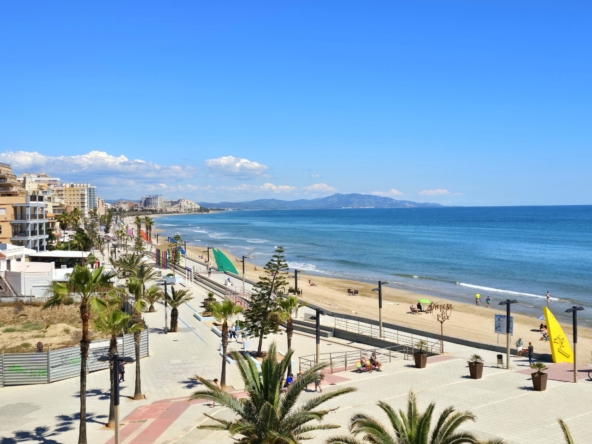

Millions of tourists every year, sunshine most of the year, and prices that have been rising for years. Investing in real estate in Spain seems like a safe bet. And it often is—provided the property was purchased with a specific strategy in mind, and not just because “after all, you can always rent out a place by the sea.”
In this article, we’ll explain what determines whether a property in Spain will turn a profit.
Why does Spain attract investors?
There are several reasons for this. Spain is one of the most popular tourist destinations in the world, and in towns like Benidorm, tourists visit almost year-round. Added to this is stable demand for apartments from foreigners across Europe and a shortage of new apartments in the most popular locations. For Poles, it’s also important that, as EU citizens, they invest on an equal footing with Spaniards.
Vacation rentals: higher income, more work
Short-term rentals are appealing because of higher rental rates and the opportunity to use the apartment yourself, for example, during the off-season. However, they come with certain requirements: you need a tourism license, often approval from the homeowners’ association, and someone on-site to handle cleaning and guests. In addition, regulations in Spain have become significantly stricter in recent years. We discuss this further in our article on tourist rentals.
Long-term rental: peace of mind and stability
This is an option for people who prefer a steady income and less work. The return on investment is usually lower than with vacation rentals, and Spanish law strongly protects tenants. You also don’t get to use the apartment yourself. For many investors, however, this is a price worth paying for peace of mind.
What Really Determines Your Profit?
Two similar apartments in the same town can yield completely different returns. The most important factors are:
- location: distance from the beach, airport, shops, and restaurants
- Amenities: A pool, a terrace, and a view can make a huge difference in occupancy rates
- Legal status: Is tourist rental even permitted in the building and municipality in question?
- Initial cost: Overpaying at the start is difficult to recoup later through rent
- Maintenance costs: homeowners’ association fees, taxes, maintenance, and repairs
Many novice investors focus only on rental income and forget about the costs. But it’s the net profit that shows whether an investment makes sense.
Don’t forget about appreciation
For some investors, rental income merely covers maintenance costs, and the real profit comes from the property’s appreciation over time. In recent years, prices along the Spanish coast have risen significantly. Remember, however, that past gains do not guarantee future ones, which is why choosing the right location and property is so important.
Frequently Asked Questions
Is investing in real estate in Spain profitable? It can be profitable, but it all depends on the location, purchase price, rental strategy, and costs. Each offer must be calculated separately.
Which is better: short-term or long-term rentals? Short-term rentals usually generate higher income, but require a license and more work. Long-term rentals are less stressful, but less profitable.
As a Polish citizen, can I rent out an apartment in Spain? Yes, but you must meet local requirements and pay rental income tax in Spain.
Looking for a property that will pay for itself? Check out our Investor Zone or write to us. We’ll calculate the realistic return on specific listings and give you our honest opinion on what makes sense.
Go to the articles: Buying an Apartment in Spain: Where to Start? 3 Things You Should Know Before You Begin https://milamarhomes.pl/index.php/2026/11/24/numer-nie-hiszpania/
Costs of Buying an Apartment in Spain: How Much Will You Really Pay on Top of the Price? https://milamarhomes.pl/index.php/2026/11/24/koszty-zakupu-mieszkania-hiszpania/