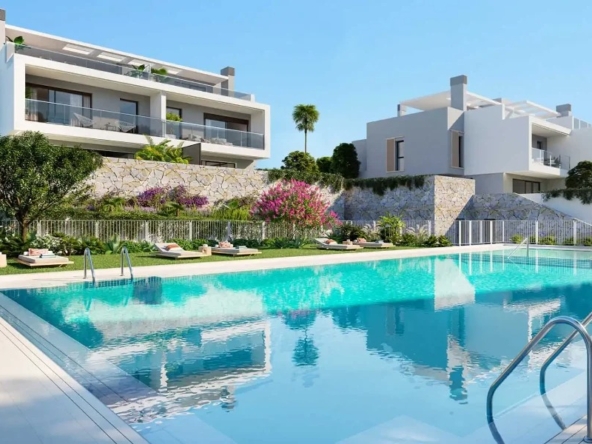
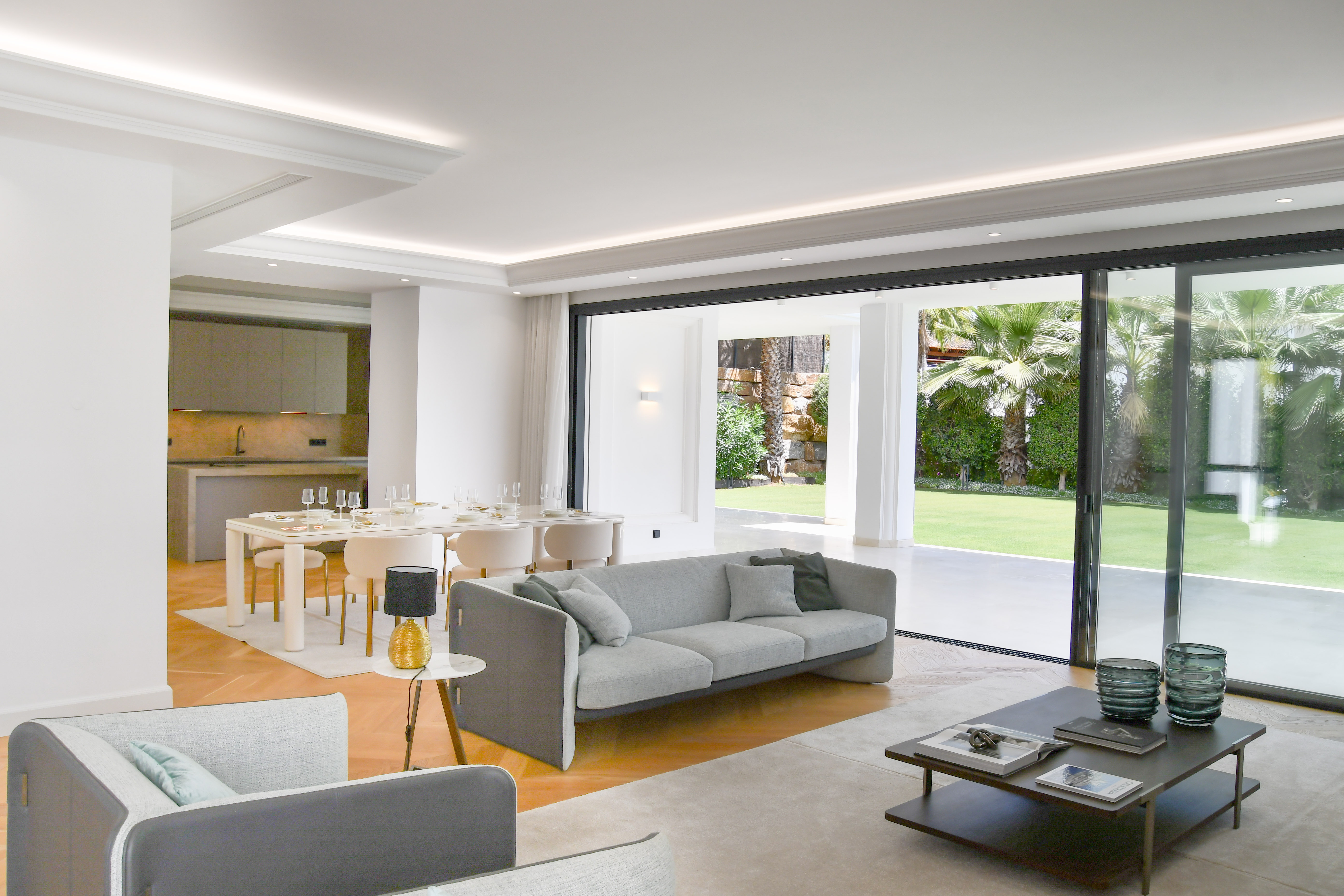
You see a listing: an apartment on the Costa Blanca for 300,000 euros, with a pool and a sea view. It sounds like a specific amount, but in reality, you’ll end up spending more. The costs associated with buying an apartment in Spain usually amount to an additional 10–15% of the price. For a 300,000-euro apartment, that’s as much as 30,000–45,000 euros that you’ll need to have in your account on top of the purchase price.
Why is there such a difference, and what does it depend on? We’ll explain.
What do the costs of buying an apartment in Spain consist of?
The largest expense is the purchase tax. In addition, there are:
- a notary and an entry in the real estate registry
- a lawyer who reviews documents and looks out for your best interests
- an agency that handles paperwork (called a gestoría in Spain)
- bank fees, if you’re buying with a mortgage
- currency conversion, which can cost more than you might think when dealing with large amounts
Some of these costs are fixed, some depend on the price, and some depend on how well you plan your purchase.
The region makes a huge difference
In Spain, each region sets its own purchase tax. That’s why the same apartment can cost different amounts depending on where it’s located.
For example: in the Valencian Community, which includes the Costa Blanca, the tax on the purchase of a resale apartment has dropped from 10% to 9% as of June 2026. On a 300,000-euro apartment, that’s a 3,000-euro savings just thanks to the change in regulations. Other regions, such as the Balearic Islands, have completely different rules.
New from a developer or pre-owned? Other taxes
This is the second factor that significantly affects the cost of buying an apartment in Spain. When buying from a developer, you pay different taxes than when buying from a private seller. The option that “looks cheaper on paper” isn’t always cheaper in reality, because you also have to consider how much you’ll spend on renovations and maintenance after the purchase. We compare these factors in our article on the primary and secondary markets.
Costs You Learn About After the Purchase
Many people focus on one-time fees and forget that living in Spain also involves annual costs. Local property tax, homeowners’ association fees (which can be quite high in complexes with a pool and security), insurance, utilities, and—for those living in Poland—annual income tax as well. Yes, even if you’re not renting out the apartment.
Is it possible to pay less?
Often, yes—and it’s legal. Depending on the situation, you can, for example, better plan your currency conversion, take advantage of tax breaks for certain groups of buyers, or choose a property that will be cheaper to maintain. However, every case is different, so there’s no one-size-fits-all formula.
Frequently Asked Questions
How much should you add to the price of an apartment in Spain? Usually about 10–15% of the price, depending on the region and type of property.
What is the tax on buying an apartment on the Costa Blanca? For purchases on the secondary market in the Valencian Community, the tax rate will be 9% starting in June 2026 (11% for properties valued at over 1 million euros). Different taxes apply when buying from a developer.
Can the purchase costs be financed with a loan? It depends. Banks often finance part of the purchase price, while taxes and fees must be covered with your own funds.
Want to know exactly how much you’ll pay for a specific property? Contact us. For every MilaMar Homes listing, we’ll calculate the total purchase cost so you can make your decision without any surprises.
Go to the article: Buying an Apartment in Spain: Where to Start? 3 Things You Should Know Before You Start https://milamarhomes.pl/index.php/2026/11/24/zakup-mieszkania-w-hiszpanii-od-czego-zaczac/